
The historical journey of gambling How it evolved through the ages
The Origins of Gambling
The history of gambling can be traced back to ancient civilizations, where it served as both entertainment and a means to engage in risk-taking behavior. Archaeological findings suggest that the earliest forms of gambling originated around 3000 BC in China, where tiles were used to play a game of chance. This early evidence not only highlights the human inclination toward risk but also illustrates how gambling evolved into a social activity that brought communities together. Today, players can find an exciting platform like Posido Casino Canada, which offers a modern twist on this ancient pastime.

Similarly, ancient Egyptians had their own form of gambling, involving betting on the outcome of dice games. Such activities were often intertwined with religious rituals, demonstrating that gambling was not merely a game but a complex part of cultural and social practices. This melding of risk and spirituality continued to evolve, as dice games spread throughout the Mediterranean and became popular among the Greeks and Romans.
As societies developed, so did the complexity and organization of gambling activities. In ancient Rome, public spectacles such as chariot races were often accompanied by betting, transforming gambling into a spectator sport. This period marked the beginning of structured gambling, where odds were calculated, and payouts were determined, laying the groundwork for future gambling establishments.
The Middle Ages and Renaissance Gambling
The Middle Ages saw a decline in gambling activities in Europe, largely due to the influence of the Church, which condemned the practice. However, clandestine gaming continued, with people playing games of chance in secret. By the Renaissance, the attitude toward gambling began to shift once more. The invention of the printing press helped to disseminate rules of various games, including card games, which became immensely popular across the continent.
The popularity of card games during this period led to the establishment of formal gambling houses. The first gambling house opened in Venice in the 16th century, setting a precedent for establishments dedicated solely to games of chance. These venues attracted not only the aristocracy but also common citizens, creating a diverse environment where social classes mingled over shared interests in games.
Gambling became increasingly intertwined with the concepts of wealth and status during the Renaissance. Games such as baccarat and chemin de fer were played in the lavish homes of the elite, giving rise to the notion that gambling was a symbol of sophistication. This era marked the beginning of gambling as not just a pastime but an essential social institution, influencing both culture and economy in significant ways.
The Emergence of Modern Gambling
The 19th century brought revolutionary changes to gambling, particularly with the advent of the industrial revolution. The establishment of railroads made travel to gambling destinations more accessible, leading to the development of casinos in cities like Monte Carlo and Las Vegas. These casinos began to offer a variety of games, from roulette to slot machines, catering to a growing audience eager for entertainment and excitement.
This period also witnessed the legalization of gambling in various parts of the world, spurred on by governments recognizing its potential as a revenue source. Lotteries became a popular means of raising funds for public projects, while betting on horse racing gained immense popularity. The legal framework surrounding gambling began to evolve, introducing regulations aimed at protecting players and ensuring fair play.
As gambling continued to grow in popularity, it also faced challenges, particularly regarding gambling addiction. Governments and organizations began to acknowledge the need for responsible gambling measures, leading to the establishment of helplines and support programs. This duality of gambling as both a source of entertainment and potential addiction underscores the complexities that continue to influence the industry today.
The Digital Age and Online Gambling
The arrival of the internet in the late 20th century heralded a new era for gambling, allowing people to play from the comfort of their own homes. Online casinos emerged, offering players a vast selection of games at their fingertips. The ability to play poker, slots, and other games online opened up new opportunities for players, transcending geographical boundaries and making gambling more accessible than ever before. In this context, the emergence of Posido casino is noteworthy, especially for fans of modern gaming.
With the rise of technology, the industry saw innovations such as live dealer games and mobile gambling. Players could now interact with real dealers in real time through live streaming, enhancing the overall gaming experience. Mobile platforms further revolutionized gambling, allowing users to place bets and play games on the go, appealing to a younger audience that values convenience.
However, the digital age has also brought legal challenges as different jurisdictions wrestle with how to regulate online gambling. Issues such as player safety, data protection, and fair play have become paramount, leading to the establishment of licensing bodies and regulatory frameworks. As online gambling continues to evolve, balancing innovation with responsible practices remains a critical focus for the industry.
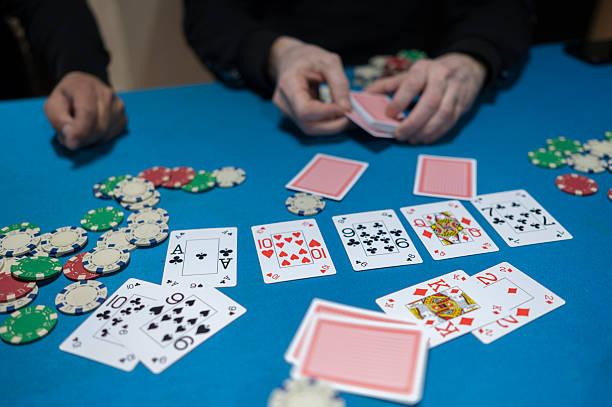
The Role of Posido Casino in Modern Gambling
As gambling has evolved, platforms like Posido casino have emerged as key players in the online gaming landscape. Catering specifically to Canadian players, Posido casino offers a diverse array of over 8,000 games, from traditional slots to live dealer options. This extensive selection reflects the growing demand for variety in online gaming, ensuring players have countless opportunities for entertainment. Notably, a detailed Posido casino review reveals the positive feedback from users about the extensive offering.
Posido casino also emphasizes a secure gaming environment, providing fast payout methods and 24/7 customer support to enhance player experience. With generous welcome bonuses and promotions, the platform aims to attract new players while ensuring existing customers feel valued and engaged. This focus on customer satisfaction aligns with modern gambling trends, where user experience is paramount.
Ultimately, Posido casino exemplifies how the gambling industry has adapted to changing consumer preferences while remaining steadfast in promoting responsible gaming. As the landscape continues to evolve, platforms like Posido will undoubtedly play a significant role in shaping the future of online gambling, ensuring it remains an exciting and secure activity for players around the world.

 Hello, I'm Deborah Swallow and, for the last fifteen years, I've worked in over thirty countries addressing the complexities of people working internationally across multiple cultures, so individuals and organisations alike can gain an authentic competitive edge and win in international markets.