The influence of social media on gambling behaviors insights from Pin-Up
The Rise of Social Media in Gambling
Social media has become a transformative force in numerous sectors, including gambling. Its widespread reach allows gambling operators like Pin-Up to connect with potential players directly, showcasing their offerings in visually appealing and interactive ways. This platform not only facilitates targeted advertising but also creates community engagement through user-generated content, testimonials, and discussions, encouraging a deeper connection between operators and players. With a focus on user privacy, you can find out more about their approaches here: https://pin-up-casino-ng.com.ng/privacy-policy/

Moreover, platforms such as Facebook, Instagram, and Twitter allow gambling brands to share promotions and bonuses instantly, enhancing user engagement. Players can follow these brands for exclusive content and offers, further influencing their gambling behavior. As users engage with social media, they are often exposed to curated content that can normalize and glamorize gambling, making it more appealing, especially to younger audiences who are active online.
The immediacy of social media also contributes to impulsive behaviors associated with gambling. When users see friends or influencers discussing or promoting gambling activities, they may feel a sense of pressure to join in, leading to increased participation. This environment creates a feedback loop, where social validation encourages more gambling, resulting in behavioral changes that can lead to unhealthy patterns.
The Role of Influencers and Content Creation
Influencers play a significant role in shaping perceptions about gambling, particularly among younger demographics. They often share their personal experiences, successes, and failures in gambling, presenting a narrative that can be both enticing and misleading. Brands like Pin-Up leverage these influencers to reach wider audiences, as followers trust their opinions and are likely to explore the platforms they endorse.
Additionally, the nature of content shared on social media—ranging from entertaining videos to instructional content—can create a normalized view of gambling. This can lead individuals to perceive gambling as a recreational activity rather than a potential risk. For instance, live streams of casino games or sports betting can showcase the thrill of gambling, potentially enticing viewers to participate without adequately addressing responsible gambling practices.
Furthermore, the interactive nature of social media encourages community building, where players share strategies, tips, and experiences. This collective sharing can lead to a sense of camaraderie but may also promote reckless gambling behaviors, as individuals may feel pressured to match or surpass the successes of their peers. This dynamic highlights the dual-edged sword of social media—while it can enhance user engagement, it can also contribute to problematic gambling patterns.
Responsible Gambling Practices in a Digital Era
Given the rising influence of social media on gambling behaviors, it becomes increasingly crucial to promote responsible gambling practices. Platforms like Pin-Up actively advocate for responsible gaming through educational campaigns and resources designed to inform players about the risks associated with gambling. These initiatives often include tools for self-assessment, limits on betting amounts, and resources for seeking help when gambling becomes problematic.
Furthermore, social media can serve as a platform for raising awareness about responsible gambling. By sharing information about the signs of gambling addiction and providing access to support services, gambling operators can play a proactive role in protecting their players. For instance, creating engaging posts that outline responsible gaming tips can serve to remind players of the importance of moderation and self-control in gambling activities.
The integration of responsible gambling messages within social media campaigns can foster a safer gambling environment. By incorporating these practices into their marketing strategies, operators can demonstrate their commitment to player welfare, making them not only trustworthy brands but also responsible members of the gambling community. This dual approach of promoting gaming enjoyment while emphasizing safety can help mitigate the negative influences of social media on gambling behaviors.
The Impact of Regulation and Community Standards
The ever-evolving landscape of social media regulation has significant implications for gambling marketing practices. As governments and regulatory bodies become more aware of the potential dangers associated with gambling advertisements on social platforms, they are implementing stricter guidelines. These regulations aim to ensure that gambling promotions are not misleading and do not target vulnerable populations, particularly minors.
Communities within social media platforms also play an essential role in self-regulation. Users often rally together to call out content that they believe promotes harmful gambling behaviors or fails to adhere to responsible gambling guidelines. This collective action can influence gambling brands to adopt more ethical marketing practices, as they aim to maintain a positive reputation within these communities.
Ultimately, the interplay between regulation, community standards, and gambling marketing on social media is crucial for creating a safer gambling environment. As brands like Pin-Up navigate these waters, they must balance engagement strategies with ethical considerations, ensuring they promote gambling responsibly while still appealing to their target audience. This delicate balance will shape the future of gambling marketing in a socially connected world.
Exploring Pin-Up’s Unique Position
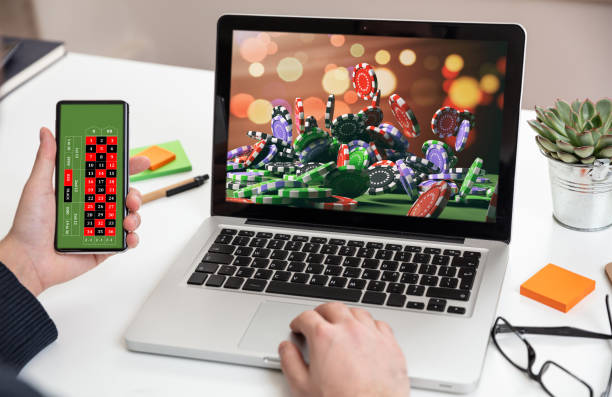
Pin-Up Casino stands out in the crowded online gambling market by prioritizing user experience and responsible practices. The platform not only offers a variety of engaging games but also focuses on creating a safe space for its users. With robust data protection measures and a commitment to transparency, players can enjoy their gaming experiences with peace of mind.
Moreover, Pin-Up emphasizes community engagement through its social media channels, promoting responsible gambling practices and encouraging open discussions among players. This approach not only helps foster a positive gaming environment but also positions Pin-Up as a leader in promoting ethical gambling in the digital age. Their strategies underline the importance of balancing user engagement with responsible practices, which is essential for sustainable growth in the online gambling industry.
As the influence of social media continues to evolve, so too will the strategies employed by platforms like Pin-Up. By adapting to new trends while maintaining a focus on responsible gambling, they can successfully navigate the complexities of social media influence. This commitment ensures that they not only cater to the entertainment needs of their users but also contribute positively to the gambling landscape.

 Hello, I'm Deborah Swallow and, for the last fifteen years, I've worked in over thirty countries addressing the complexities of people working internationally across multiple cultures, so individuals and organisations alike can gain an authentic competitive edge and win in international markets.