
The cultural significance of casinos in modern society A deep dive into Pin Up Casino
Historical Context of Casinos
Casinos have a rich history that dates back several centuries, evolving from simple gaming houses to sophisticated entertainment complexes. The first official casinos emerged in Italy during the 17th century, where they were places for social gatherings and entertainment. Over time, this concept spread throughout Europe and then to the United States, significantly influencing societal norms and cultural practices related to gambling.

In modern society, casinos are not just venues for gambling; they represent a fusion of entertainment, leisure, and social interaction. This evolution reflects a broader societal shift where gambling has been embraced as a legitimate form of entertainment. The cultural significance of casinos is evident in their ability to foster community, bring people together, and stimulate local economies through tourism and job creation. Players can find a wealth of information at https://mymsc.ca/ to help enhance their gaming experience.
Moreover, the rise of online casinos, such as Pin Up Casino, has transformed the landscape of gambling by making it accessible from virtually anywhere. This shift not only changes how players engage with games but also reflects changing attitudes toward technology and social interaction in gaming, further embedding casinos into the fabric of modern culture.
Casinos as Social Hubs
Casinos often serve as social hubs where individuals from diverse backgrounds come together to engage in gaming and entertainment. They provide an environment where strangers can share experiences, fostering a sense of community. In this context, Pin Up plays a crucial role in enhancing social bonds, as players often find themselves interacting and forming relationships over shared interests in games.
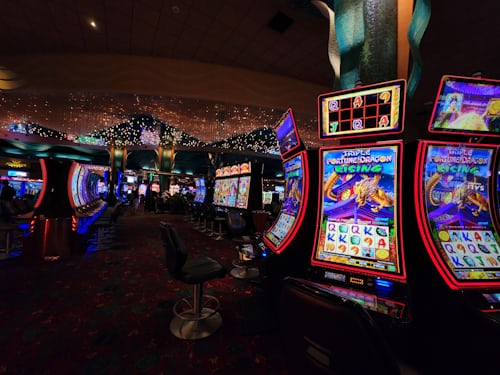
The atmosphere of a casino is designed to be inviting and thrilling, with vibrant decor, lively music, and engaging activities that encourage guests to socialize. Events such as tournaments and themed nights create opportunities for engagement, drawing in not only avid gamblers but also those seeking a fun night out. This dynamic contributes to the perception of casinos as a safe space for socialization, blurring the lines between gambling and social entertainment.
Moreover, casinos often host charity events and community gatherings, further solidifying their role as community centers. These initiatives not only help foster goodwill but also contribute to the local economy, demonstrating the multifaceted cultural significance of casinos in society.
Economic Impact of Casinos
The economic implications of casinos are substantial, affecting local and national economies alike. They generate significant tax revenue, which can be allocated toward public services, infrastructure, and community development. This economic boost is particularly critical in regions heavily reliant on tourism, where casinos act as a major attraction, bringing in visitors who contribute to local businesses.
Casinos also create thousands of jobs, ranging from gaming staff to hospitality roles, contributing to economic stability for many families. The employment opportunities extend beyond the casino floor, as they influence ancillary services such as hotels, restaurants, and transportation, creating a ripple effect in the local economy.
Furthermore, the rise of online casinos like Pin Up Canada highlights a new economic frontier in the gaming industry. These platforms generate revenue through digital transactions, providing a new source of income for both operators and governments. This shift towards online gambling represents a significant change in how economic benefits can be realized in the gaming sector.
Responsible Gaming and Cultural Perspectives
With the rise of casinos, the conversation around responsible gaming has become increasingly significant. Many casinos, including Pin Up Casino, prioritize the promotion of responsible gambling practices. This includes setting limits on bets, providing resources for those struggling with gambling addiction, and fostering a culture of awareness regarding the risks associated with gaming.
The cultural perspectives surrounding gambling can vary widely, with different societies having distinct views on its morality and acceptability. In some cultures, gambling is celebrated as a form of entertainment, while in others, it may be frowned upon or considered taboo. This diversity in viewpoints influences how casinos are perceived and integrated within various communities.
As the industry evolves, there is a growing emphasis on balancing entertainment with social responsibility. Casinos are increasingly seen not just as places to gamble, but also as institutions that must contribute positively to society. This shift in cultural perspective highlights the need for ongoing dialogue about the implications of gaming in modern life.
Pin Up Casino: A Modern Gaming Experience
Pin Up Casino represents a contemporary take on the traditional casino experience, offering users a platform that is both accessible and engaging. With a user-friendly interface, it prioritizes performance and usability, ensuring that players have a seamless gaming experience. The site features a wide array of games, including slots and live dealer options, catering to various player preferences.
The registration process at Pin Up Casino is straightforward, allowing new players to quickly access an extensive catalog of games, promotions, and secure payment options. This emphasis on efficiency reflects the modern consumer’s desire for convenience and reliability in their gaming experiences. Furthermore, Pin Up Casino is committed to security and responsible gaming, making it a trustworthy option for players.
Overall, Pin Up Casino exemplifies the cultural significance of casinos in modern society by blending entertainment with accessibility and social responsibility. As the gaming landscape continues to evolve, platforms like Pin Up will play an essential role in shaping how society interacts with gambling, ensuring that it remains a significant aspect of cultural engagement.

 Hello, I'm Deborah Swallow and, for the last fifteen years, I've worked in over thirty countries addressing the complexities of people working internationally across multiple cultures, so individuals and organisations alike can gain an authentic competitive edge and win in international markets.