
The historical journey of gambling a fascinating evolution through time
The Origins of Gambling
The practice of gambling can be traced back thousands of years, with evidence of betting on games of chance found in ancient civilizations. Archaeological discoveries reveal that Chinese, Roman, and Greek cultures engaged in various forms of gambling, from dice games to betting on gladiatorial contests. These early forms of gambling served not only as entertainment but also as a way to engage in social interactions, reflecting societal norms and values. Today, players in Canada can explore new casinos canada, which continue this age-old tradition with modern innovations.

The earliest documented use of gambling materials, such as dice, dates back to around 3000 BC in Mesopotamia. Additionally, the Chinese developed a rudimentary lottery system as early as the Han Dynasty, which helped fund government projects. These historical roots highlight how gambling has been woven into the fabric of human society, evolving alongside civilizations.
The Rise of Modern Gambling
The evolution of gambling took a significant turn during the 18th and 19th centuries with the establishment of formal casinos. The first official casino, the Casino di Venezia, opened its doors in Italy in 1638, setting a precedent for gambling establishments worldwide. By the 19th century, gambling houses began to pop up across Europe and America, becoming popular social venues where people from all walks of life could come together.
These establishments not only offered a variety of games but also embodied luxury and elegance, appealing to the elite and the burgeoning middle class. The rise of gambling during this period also coincided with changes in legislation, as governments began to regulate and tax these activities, transforming gambling into a legitimate industry.
The Impact of Technology on Gambling
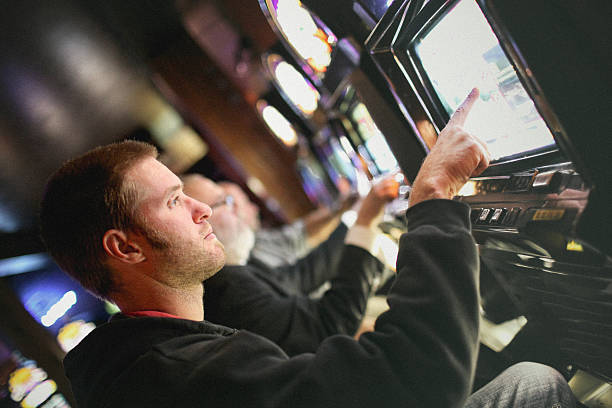
The 20th century marked a technological revolution that significantly impacted the gambling landscape. The introduction of slot machines in the early 1900s revolutionized casinos, providing a new level of accessibility and entertainment. With the popularity of these machines soaring, gambling became a staple in American culture, leading to the proliferation of casinos in Las Vegas and Atlantic City.
As technology continued to advance, online gambling emerged in the late 1990s, fundamentally changing the way people engaged with games of chance. Online casinos allowed players to gamble from the comfort of their homes, drastically increasing the number of participants and introducing a global audience to the world of online gaming.
The Regulatory Landscape of Gambling
As gambling grew in popularity and scope, so did the need for regulations to ensure fair play and protect consumers. Various countries implemented laws governing gambling activities, leading to the establishment of licensing systems for casinos and online platforms. These regulations aim to curb illegal gambling while promoting responsible gaming practices.
Additionally, the rise of online gambling prompted discussions about player safety and the potential for addiction. Governments and organizations began to implement measures to protect players, such as self-exclusion programs and age verification processes, ensuring that gambling remained a form of entertainment rather than a societal issue.
Discovering the Future of Gambling
The future of gambling continues to evolve, particularly with advancements in technology such as virtual reality and blockchain. These innovations promise to enhance the gaming experience, making it more immersive and secure. Online casinos are incorporating new technologies to provide players with realistic environments and transparent transactions, further solidifying the legitimacy of the industry.
As gambling continues to adapt, platforms focusing on user experience and responsible gaming are becoming increasingly important. A dedicated approach to player safety and satisfaction will shape the next phase of this fascinating journey, ensuring that gambling remains an exciting and engaging pastime for generations to come.

 Hello, I'm Deborah Swallow and, for the last fifteen years, I've worked in over thirty countries addressing the complexities of people working internationally across multiple cultures, so individuals and organisations alike can gain an authentic competitive edge and win in international markets.