
Kvalitet på spilltilbudet
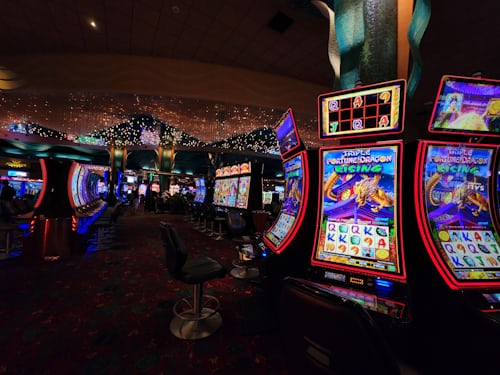
En av de mest avgjørende faktorene som gjør et kasino til en vinner, er kvaliteten på spilltilbudet. Spillere ønsker et variert utvalg som inkluderer alt fra klassiske bordspill som blackjack og rulett til moderne spilleautomater. Et kasino som kontinuerlig oppdaterer sitt spillutvalg med innovative titler og funksjoner, tiltrekker seg ikke bare nye spillere, men holder også eksisterende spillere engasjerte. I tillegg kan spillere finne informasjon om de beste casinoer på nettet, noe som ytterligere beriker opplevelsen. Dette mangfoldet av spill bidrar til å skape en morsom og spennende atmosfære som er avgjørende for suksess.
I tillegg til variasjon, er kvaliteten på spillene også viktig. Spill levert av anerkjente utviklere har ofte bedre grafikk, lyd og spillmekanikk. Dette gir en mer immersiv opplevelse for spillerne, noe som gjør dem mer tilbøyelige til å komme tilbake. Et kasino med et solid rykte for å tilby høyverdige spill vil skille seg ut i et marked mettet med alternativer.
Til slutt, bonusordninger og kampanjer knyttet til spilltilbudet kan også ha en stor innvirkning. Spillere blir ofte tiltrukket av kasinospill som tilbyr generøse velkomstbonuser, lojalitetsprogrammer og kampanjer. Disse insentivene ikke bare stimulerer spilleraktivitet, men øker også sjansen for at kasinoet blir en favoritt blant spillere som søker verdi for pengene.
Kundeservice og støtte
Kundeservice er en annen kritisk komponent som gjør et kasino til en vinner. Spillere må ha tilgang til hjelpsom og kompetent støtte, spesielt når de opplever problemer eller har spørsmål. Et kasino som tilbyr 24/7 kundeservice, enten via live chat, e-post eller telefon, gir spillerne trygghet. En responsiv og vennlig kundeservice som raskt kan løse problemer, øker spillerens tillit og lojalitet mot kasinoet.
For å forbedre kundeopplevelsen, bruker mange kasinoer også AI-teknologi og chatbots for å håndtere vanlige henvendelser. Dette gjør at spørsmål kan besvares raskt, og at spillerne kan få hjelp uten lange ventetider. Eksempler på vanlig support inkluderer spørsmål om innskudd, uttak, og spillregler, og en effektiv kundeservice vil kunne håndtere alle disse forespørslene med letthet.

I tillegg til vanlig kundeservice, kan et kasino også tilby omfattende FAQ-seksjoner og ressurser for spillere. Å ha informasjon lett tilgjengelig, spesielt om ansvarlig spilling, kan hjelpe spillere til å føle seg mer trygge og informerte. Jo mer et kasino investerer i sin kundeservice, jo mer sannsynlig er det at det vil oppnå en lojal spillerbase.
Sikkerhet og betalingsmetoder
Sikkerhet er en av de viktigste faktorene når det kommer til å bygge tillit i et kasino. Spillere må vite at deres personlige og finansielle opplysninger er trygge. Dette inkluderer bruk av krypteringsteknologi og sikre betalingsmetoder for å beskytte data. Et kasino som prioriterer sikkerhet ved å implementere sterke tiltak, som to-faktor autentisering, kan redusere risikoen for svindel og øke spillerens selvtillit.
Videre, et bredt utvalg av betalingsmetoder gir også spillerne en grunn til å velge et bestemt kasino. Muligheten til å bruke kredittkort, e-lommebøker, og til og med kryptovalutaer, gir spillerne fleksibilitet til å velge den metoden som passer dem best. Kasinoer som tilbyr raske og effektive uttaksprosesser, kan også tiltrekke seg flere spillere, da ingen liker å vente lenge på å få gevinstene sine utbetalt.
I tillegg er det viktig for kasinoer å være transparente med sine betalingsprosesser. Klare retningslinjer for innskudd og uttak, samt informasjon om gebyrer, kan skape mer tillit blant spillerne. Når et kasino er åpent omkring disse forholdene, øker det sjansen for at spillere forblir lojale og anbefaler kasinoet til andre.
Brukervennlig plattform og design
En brukervennlig plattform med godt design er avgjørende for å tilby en positiv opplevelse for spillerne. Kasinoer som investerer i et intuitivt grensesnitt gjør det enklere for spillere å navigere, finne spill og delta i kampanjer. En god brukeropplevelse kan faktisk være det som skiller et kasino fra en annen, spesielt når det er mange alternativer tilgjengelig. Spillere setter pris på et rent og oversiktlig design som ikke overvelder dem med informasjon.

I tillegg er mobilvennlighet en viktig faktor i dagens marked. Med stadig flere spillere som bruker smarttelefoner og nettbrett for å spille, er det viktig for kasinoer å tilby optimaliserte mobilversjoner av sine plattformer. En app eller en responsiv nettside som fungerer like godt på mobile enheter som på datamaskiner, gir spillerne frihet til å spille når som helst og hvor som helst.
Brukeropplevelsen kan også forbedres gjennom personlige tilpasninger. Kasinoer som tilbyr tilpassede anbefalinger basert på spillerens tidligere aktiviteter, kan gjøre opplevelsen mer engasjerende. For eksempel kan skreddersydde bonuser eller spillforslag basert på spillhistorikk skape en mer personlig opplevelse, noe som igjen kan føre til høyere spillertrehold.
Informasjon om nettstedet
Et vellykket kasino må også ha en informativ og brukervennlig nettside. Nettsiden bør gi omfattende informasjon om spilltilbud, bonuser, kundeservice og sikkerhetstiltak. En klar og lettfattelig layout gjør det enklere for spillere å finne den informasjonen de trenger. I tillegg bør nettstedet ha en regelmessig oppdatert blogg eller nyhetsseksjon, hvor spillere kan holde seg informert om nye spill, kampanjer og andre relevante nyheter.
Å ha en tilstedeværelse på sosiale medier kan også styrke kasinoets popularitet. Plattformene gir en direkte linje til kommunikasjon med spillerne, og kasinoet kan benytte dem til å dele tilbud, nyheter og annet innhold som holder spillerne engasjert. Med et aktivt samfunn kan kasinoet skape en mer interaktiv opplevelse som oppfordrer til deltakelse og lojalitet.
Til slutt, en harmonisk balanse mellom informasjon, tilbud og en brukervennlig design er essensielt for å tiltrekke seg og beholde spillere. Et kasino som prioriterer disse elementene vil ikke bare oppnå suksess, men også skape en langsiktig tilknytning til sine spillere og bli ansett som en vinner i bransjen.
















 Hello, I'm Deborah Swallow and, for the last fifteen years, I've worked in over thirty countries addressing the complexities of people working internationally across multiple cultures, so individuals and organisations alike can gain an authentic competitive edge and win in international markets.